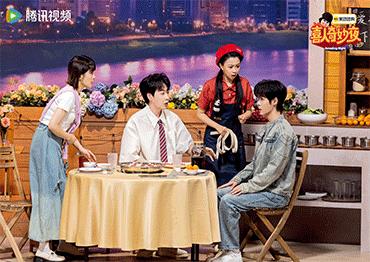
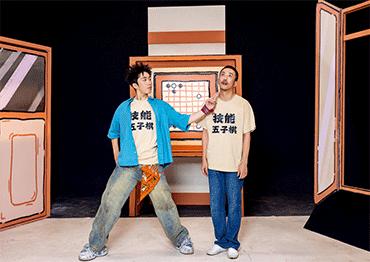
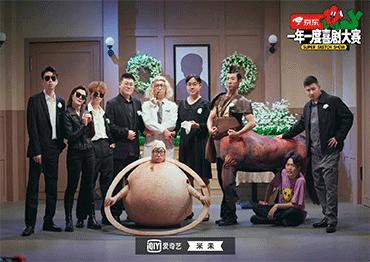
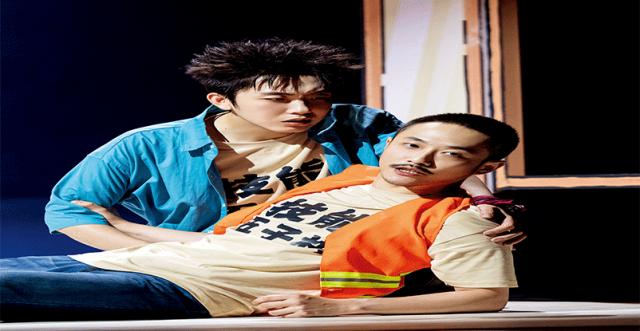
Despite its popularity, Amazing Night drew criticism in later seasons. Some viewers argue that sketches now lean toward emotional or moral messaging to win votes, a shift away from the show's original emphasis on pure humor.
Its rating on respected media review website Douban dropped from 8.6 in the first season to 6.6, sparking debate over whether deeper themes belong in comedy. Meanwhile, a perceived lack of fresh ideas after three seasons from increasingly demanding audiences is also regarded by some as contributing to the decline.
"The winning sketches often include emotional elements," said Chenlu, a viewer from Shenzhen, Guangdong Province who has followed the show since its debut. "There's nothing wrong with that, but it moves away from the original goal of innovation."
"I'm not a fan of any particular performer," she added. "I just want to watch something genuinely funny. If emotional endings are included, they should feel natural, not forced."
In response, Beijing MeWe Media founder Ma Dong acknowledged that sketches "should have endings." "The audiences' emotions need somewhere to land," he told LatePost, a financial news outlet, in January. "The problem is not whether there is an ending but whether the setup beforehand was done right."
"If the setup is wrong, the timing is off, and if you just force an ending on it, it'll feel awkward. The audience will see it as a cheap ‘message moment,'" Ma said.
Zhou Kui said as the show progressed, the comedians increasingly drew on their own feelings and personal expression, which at times was a buzzkill for audiences seeking more "meaningless" sketches.
"Consistently putting out high-quality work is hard," Zhou said. "For the first one or two rounds, you might have three months to polish a sketch. But the further you go, the shorter the turnaround gets," Zhou said. "On top of that, actors also start to run short on ideas with such a high output."
Ma added that if audiences feel uncomfortable, "That just means [the sketch] wasn't done well. Just do it better next time."
That remains to be seen. As Amazing Night faces declining ratings and with no confirmed return, the format that once rejected messaging or commentary may now be forced by audiences to evolve. In trying to avoid giving answers, abstract comedy may eventually have to decide what it wants to be.
Regardless, Zhou said the show has expanded the boundaries of comedy in China, and will encourage more to join. He remains confident in the creative potential of Chinese comedians. "These performers are highly active online on social media, engaging with people and reaching out to a wider world of new experiences, immersed in a vibrant, passionate life," Zhou said. "Taking it all in as fuel, their creativity will never run out."

 Old Version