To really understand how this ancient civilization came to life, I wanted to see how a single, man-made waterway could shape the destiny of an entire nation. The museum does an incredible job of breaking this down using interactive areas and stunning historical detail. The real highlight for me was slipping on a pair of the VR glasses you can pick up upon entry. When you scan QR codes in front of an exhibit, you are transported into ancient life along the waterway. I left feeling like I had personally journeyed through time from the origin of the canal to how it is used today.
While the Grand Canal Museum uses VR to show you the past, walking down Hefang Street lets you step right into it. This bustling pedestrian lane was the commercial heart of Hangzhou back when it was the capital of the Southern Song Dynasty (1127-1279). Today, it's a sensory overload of old-world charm. I could smell the sweet aroma of osmanthus cakes mixed with the scent of traditional Chinese medicine halls. There were artisans and performers dressed in traditional clothes, making bread and hammering intricate jewelry exactly the way it was done centuries ago. But, I got even more excited when I saw the lane of food trucks offering delicious snacks and matcha ice cream.
After diving into thousands of years of history, I chose to stay at the Narada Resort, located in the Liangzhu Cultural Village, about 20 kilometers outside the center.
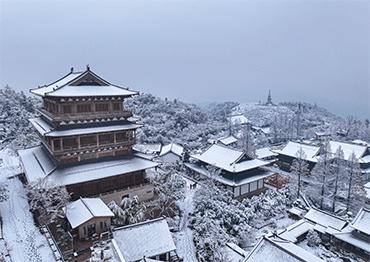
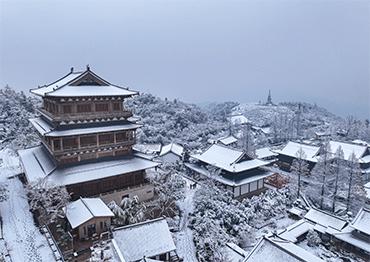
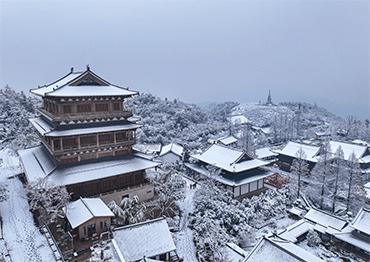
The next morning, I set out for Jingshan Temple, a historic Zen Buddhist site hidden deep in the forested mountains of Hangzhou's Yuhang District. Getting there by car is quite easy. It's just a scenic, one-hour drive from downtown. However, to keep the mountain pristine, outside private vehicles aren't allowed to drive all the way up to the temple itself.
Instead, you park at the visitor lot at the base of the mountain, where you have a choice: embark on a steep, roughly 3-kilometer hike along the ancient stone trail or catch the scenic shuttle tram. Wanting to save my energy for exploring the grounds, I opted for the tram, which is completely free! You just scan a quick QR code at the visitor center or the lot to grab a digital ticket, hop on, and ride it up. The actual entry ticket to the temple itself is 30 yuan (US$4), which includes three complimentary sticks of incense. The winding ride up through the bamboo-forested mountains was incredibly beautiful, but nothing compared to the moment the temple itself came into view.
Once I got closer, the scent of incense filled the air. The temple has various rooms to visit, including the main hall housing a grand statue of Sakyamuni Buddha, as well as three famous historic iron Buddhas dating back to the Song Dynasty (960-1279). While I was there, I was lucky enough to see a ceremony being performed by the monks. Watching them pray and show gratitude while everyone stood completely still was a moving moment. The temple grounds also offer interactive experiences where you can try your hand at traditional tea whisking, or you can head over to a scenic overlook to get a perfect shot of the mountains. I decided to save the tea whisking for later, though, because I had already made an appointment to join a ceremonial tea whisking class in Jingshan Village.
In Jingshan Village, the class dives deep into the ancient history of tea whisking, a tradition that peaked over 1,000 years ago during the Song Dynasty. This isn't your average coffee house latte swirl. It's an ancient art form where matcha paste is used to create intricate designs in the foam, mirroring the style of traditional Chinese inkwash paintings. The most famous local brew is the iconic Longjing tea, grown on terraces around the city.
First, we were given a green tea powder to mix with hot water. Then, using a traditional bamboo bristled whisk, we were told to use a vigorous, rhythmic motion to froth it up to the perfect consistency. Once you achieve the desired thick foam, you use a special slender bamboo stick to dip into a darker matcha paste and gently draw your design onto the surface. Inspired by my morning journey up the mountain to the temple, I decided to try a scene of a bamboo forest and mountains, which gave me a lot more respect for the talent of these artists.
 Old Version