Fan Deng, educator and former anchor of China Central Television:“Most people in our generation experienced guilt-tripping education when we were young. But having been through that pain and hardship, we should not pass this parenting approach on to our children. We should learn to treat them with understanding and respect, love them well and, through doing so, heal the wounded child inside us.” Source: Sina Weibo
Zhang Hua, counselor and Shanghai Psychological Society council member:“I can say with full responsibility that the damaging power of ‘guilt-inducing’ parenting is even greater than that of physical punishment or scolding. At least hitting and scolding lets children know that their parents are losing their temper. Guilt is different. It seeps in slowly, like water soaking into a wall. By the time the wall grows moldy and decayed, you have no idea where it started.” Source: WeChat Official Account
Du Sujuan, Chinese professor at the East China University of Political Science and Law:“The cruelest thing a parent can do is make their children feel guilty. Many wrong choices in life come from guilt toward parents. Many children put themselves in the position of a debtor within the family, while their parents become their creditors.” Source: The Fair
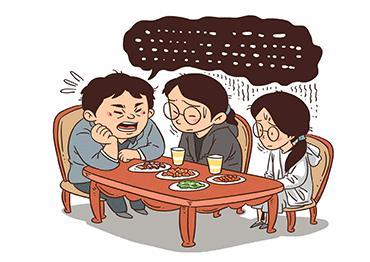
The discussion began after the August 1 episode of the reality show Her Prime 2, in which Fang Zhuren (Fang Shaoli), a 51-year old stand-up comedian, hosted a birthday dinner for her younger daughter, who had just turned 18, along with her oldest daughter. The celebration instead became a tense family exchange, with Fang repeatedly recounting what she had endured while raising her children.
Her younger daughter remained largely silent, while her eldest challenged what she saw as her mother’s use of guilt in communicating her feelings.
“When I was a kid, she kept telling me, ‘The only reason I didn’t leave this family was because of you,’” the elder daughter said. “When I grew up, I told her, ‘You didn’t leave home because of me. You stayed because you were dependent and had no choice.’”
She said her mother’s words had made her feel guilty as a child, but that she came to realize after entering university that what her mother had told her was not true.
The exchange resonated with many viewers, who shared similar experiences online and discussed the role of guilt, sacrifice and gratitude in traditional parent-child relationships.
The term “guilt-inducing education” refers to a parenting or teaching approach that seeks to influence children’s behavior by making them feel guilty, remorseful and indebted. Parents may repeatedly emphasize the difficult personal choices they have made for their children.
Some netizens said they identified with Fang’s daughter and recalled being reminded by their own parents of how much they had given up for them. Others defended parents’ right to express negative emotions and called for greater understanding of the pressures parents face.
Some psychological professionals have warned that while guilt-based parenting may encourage children to comply in the short term, it can have negative effects on their emotional development over time. Children may internalize the idea that they are a burden to their parents, contributing to low self-esteem, excessive guilt and difficulty accepting their own happiness.
On August 6, Fang responded to the discussion in a video posted on Sina Weibo. “I will carefully read netizens’ comments and learn how to be a good mother,” she said.
 Old Version