Do you like spicy food? Well, in China, the answer depends on what kind of spicy you’re talking about. Let’s be real. When most people think of spicy Chinese food their brain goes straight to Sichuan peppercorns and a numb, tingly tongue. And hey, that’s fair. It’s the type of spicy that can be found in restaurants all over the country and also in flavor packets of snack foods. But here’s the thing, China is massive, and the idea that spicy is universal is far from true. From lip-tingling numbness to straight-up, no-nonsense heat, different regions in China do spice in wildly different ways.
Let’s start with the most famous one. Sichuan’s spicy is more than just heat. It literally numbs your tongue. The Sichuan peppercorn gives it that unique flavor, known as mala, and it’s not even a chili. It’s a flower bud that does a little dance on your taste buds. Toss that together with dried chilies, fermented bean paste, and a whole lot of oil, and you get dishes like mapo tofu and Chongqing deep-fried chicken buried under a mountain of chilies. The heat builds slowly, but the numbing keeps things weirdly addictive and impossible to put down even if it leaves you fanning your mouth.
Then there’s the Hunan version of spicy, which is basically a no-nonsense punch to the face. Hunanese cooking doesn’t mess around with numbing agents. They use fresh chilies, pickled chilies, dried chilies, and sometimes all three in one dish because if you can handle the heat, why not? What you get is a sharp, direct, almost smoky heat that takes no prisoners. Take their famous steamed fish head with chopped salted chilies, piled on like they’re trying to hide the plate and sear their fiery flavor deep into the fish. Hunan spicy lingers on your lips long after you’ve already left the restaurant.
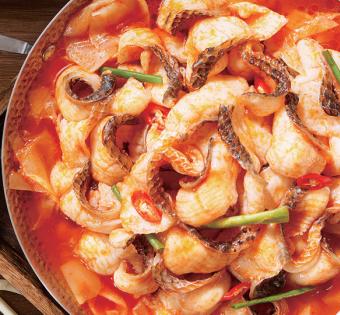
Finally, there’s the Guizhou type of spicy that’s a mix of both spicy and sour. Over there they like to ferment everything, so their signature type of spicy has become sour-spicy, or suanla. This is where chilies meet pickled vegetables, rice-sour broths and tomato ferments. It’s tangy, funky, and just as you start to wonder if it’s even spicy, bam! The heat rolls in.
The most well-known Guizhou example is sour soup fish, which is a tomato-and-chili broth that’s been fermented just enough to wake up every corner of your mouth. You’ll taste sour, then spicy, then a little umami, then even more spicy.
They also love crispy chili flakes that you eat straight up like a bar snack. Guizhou’s type of spicy doesn’t challenge your palette to a chili pepper eating contest. It lingers in your mouth like a networking event packed with eccentric personalities that somehow just work well together.
So which is the most accurate example of Chinese spicy food? Well, all of them! China doesn’t have just one type of spicy. It has a whole spicy universe. Next time you’re craving heat, don’t just grab the Sichuan hot pot. Try Hunan’s fiery punch or Guizhou’s sour tango. Your tongue will be confused, delighted and very, very happy. Just keep a glass of milk or cold yogurt nearby. You’ll thank me later.
 Old Version